

As autumn approaches, falling leaves, increased rainfall and stronger winds can put additional pressure on your property’s drainage system. Gutters play an essential role in directing rainwater away from your roof, walls and foundations, but accumulated debris can prevent them from working effectively. Positive Roofing helps property owners understand the importance of regular gutter maintenance and preventing avoidable water damage. Arranging Gutter Clearing Sidcup before autumn can help homeowners prepare for seasonal weather, reduce the risk of overflowing gutters and keep rainwater flowing away from their properties.
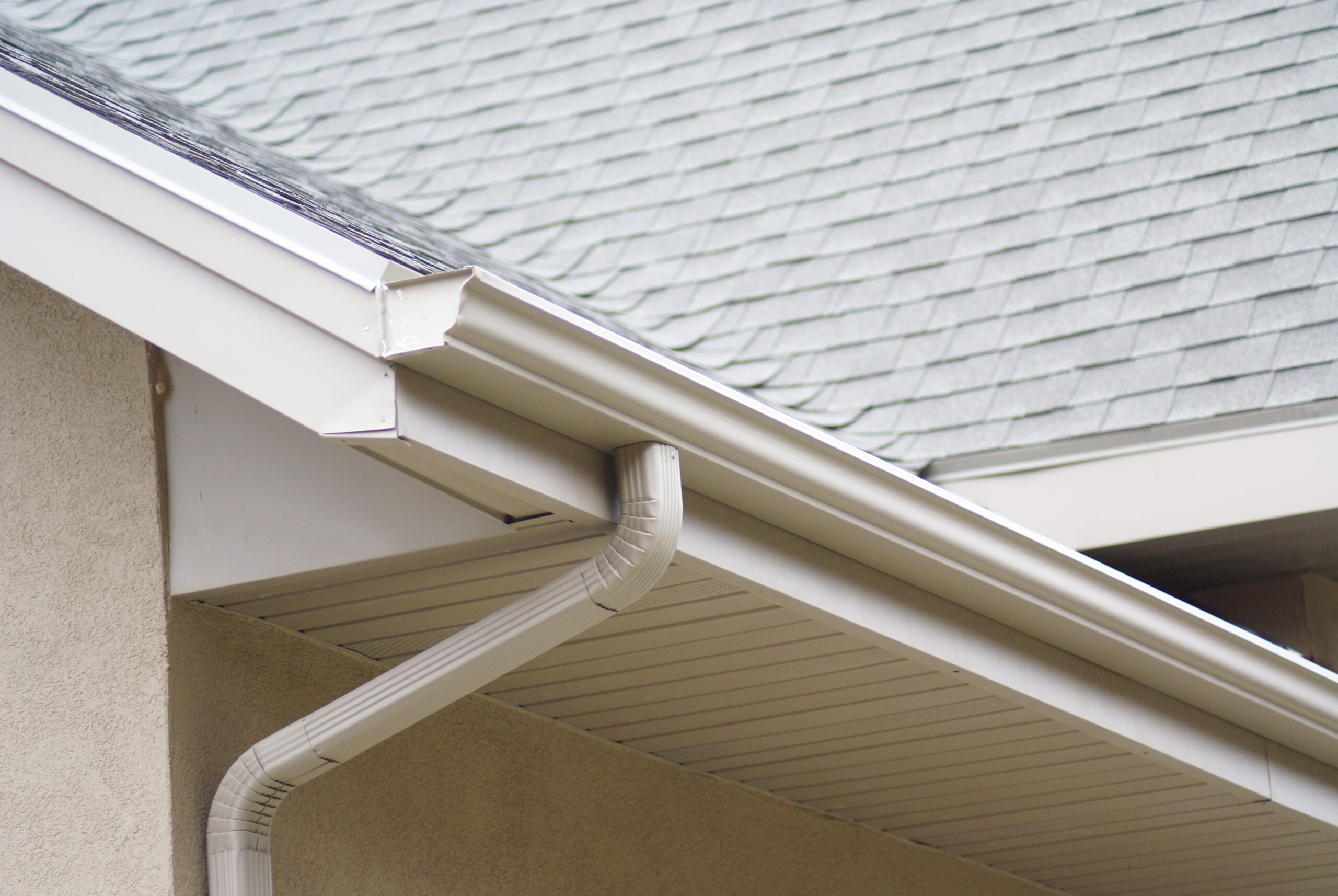
Why Autumn Is the Most Important Time to Clear Your Gutters
Autumn is one of the busiest seasons for residential gutter maintenance because falling leaves, twigs, moss and other debris can quickly accumulate inside drainage channels. When these materials combine with rainwater, they can form dense blockages that prevent water from reaching the downpipes.
Positive Roofing recognises that preventive maintenance is an important part of protecting a property’s roofline and external structure. Clearing gutters before heavy autumn rainfall arrives helps identify developing problems early and gives homeowners time to arrange repairs before winter conditions become more challenging.
Properties near mature trees may be particularly vulnerable to blockages, although even homes without nearby trees can collect roofing debris and moss. Regular checks help ensure that rainwater can drain away efficiently when the weather changes.
Gutter Clearing Sidcup: What Happens If You Skip It?
Neglecting gutter maintenance may seem harmless when the weather is dry, but the consequences can become apparent during prolonged rainfall. Blocked gutters prevent water from draining properly, allowing it to overflow or collect around vulnerable parts of a building.
The potential problems include:
Overflowing rainwater: Water spills over the gutter edges and runs down external walls.
Damp and staining: Persistent moisture can contribute to damp patches, staining and deterioration of exterior finishes.
Roofline damage: Standing water and accumulated debris can put additional strain on gutter brackets and joints.
Foundation concerns: Poor drainage may allow water to collect near the base of the property.
Unexpected repair costs: Delayed maintenance can allow minor drainage issues to develop into more extensive problems.
The severity of these issues depends on the property’s construction, drainage arrangements and the extent of the blockage. Clearing gutters before autumn rainfall becomes frequent is a practical way to reduce these avoidable risks.
Five Warning Signs Your Gutters Need Clearing
Recognising the early signs of a blockage can help homeowners arrange maintenance before water damage develops.
1. Water Overflowing During Rain
If water spills over the sides of your gutters during rainfall, debris may be restricting the flow. However, overflowing water can also indicate an undersized drainage system, poor gutter alignment or a blocked downpipe.
2. Plants or Moss Growing in Gutters
Small plants growing from gutters usually indicate that organic material and moisture have accumulated over time. This debris can obstruct drainage and should be removed safely.
3. Sagging or Loose Gutters
Gutters that appear uneven or pull away from the roofline may have damaged brackets, loose fixings or excessive debris. These problems require attention beyond routine cleaning if the guttering has become unstable.
4. Damp Patches on External Walls
Dark staining, green growth or persistent dampness beneath the roofline may indicate overflowing gutters or leaking joints. Water can also originate from other sources, so the cause should be assessed before repairs are arranged.
5. Water Pooling Near the Property
Puddles repeatedly forming near external walls or foundations may indicate that rainwater is not being directed away effectively. Blocked downpipes and poorly positioned outlets are possible causes.
What Does Professional Gutter Clearing Involve?
Professional gutter clearing typically involves removing accumulated leaves, moss, twigs and other debris from accessible guttering and checking that water can flow through the drainage system.
Depending on the property’s design and the condition of the gutters, the process may include:
Removing debris from gutter channels.
Checking downpipes for obstructions.
Assessing visible joints, brackets and fixings.
Identifying leaks, cracks or sections that have become loose.
Checking water flow where appropriate and safe to do so.
Recommending repairs if damaged components are discovered.
The exact work required depends on the property’s layout and the condition of its drainage system. Cleaning alone will not resolve structural damage, incorrectly aligned gutters or persistent drainage problems.
Professional assistance is particularly useful for taller buildings, difficult rooflines and properties where safe access is limited. Homeowners should avoid climbing ladders or leaning over roof edges without appropriate equipment and training.
How Often Should Sidcup Homeowners Clear Their Gutters?
Many properties benefit from gutter cleaning at least twice a year, commonly during spring and autumn. However, there is no single schedule suitable for every home.
Properties surrounded by trees may require more frequent cleaning, particularly when leaves fall heavily. Homes with older guttering, recurring blockages or a history of water overflow may also need additional inspections.
A sensible maintenance routine includes checking gutters after the main autumn leaf fall and arranging further attention if blockages return. It is also worth checking that downpipes discharge water correctly and that rainwater is not collecting against the building.
Preventive maintenance is generally easier to organise before severe weather arrives than during a period of heavy rain, when drainage problems may already be affecting the property.
Simple Ways to Prevent Future Gutter Blockages
Alongside professional cleaning, homeowners can take several practical steps to support effective drainage throughout the year.
First, monitor trees and overhanging branches near the roof. Where appropriate, arrange suitable tree maintenance to reduce the amount of leaves and twigs reaching the gutters.
Second, inspect visible gutter sections from the ground after periods of heavy rainfall. Look for overflowing water, sagging sections and unusual staining around the roofline.
Third, consider whether gutter guards are suitable for your property. These products can reduce the amount of larger debris entering the system, but they do not eliminate the need for inspections or cleaning.
Finally, address damaged brackets, leaking joints and blocked downpipes promptly. A well-maintained drainage system helps protect the roofline and directs rainwater away from the property as intended.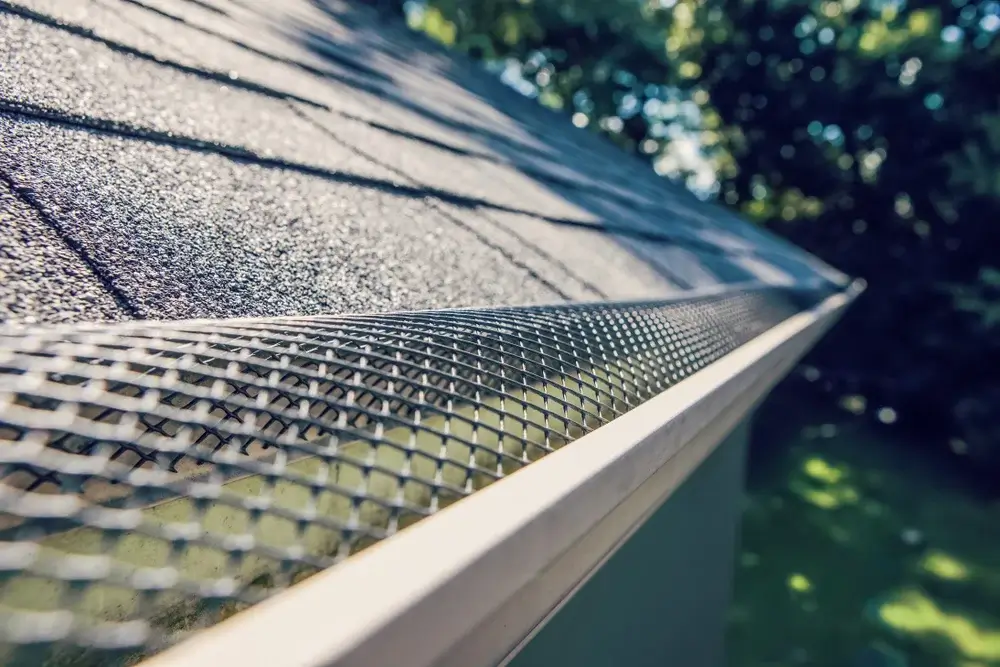
Frequently Asked Questions
When should I clear my gutters before autumn?
Arrange cleaning before leaves and heavy seasonal rainfall create significant blockages. Early autumn is often a practical time, although properties near trees may need additional attention later in the season.
Can blocked gutters cause damp inside my house?
Yes, overflowing gutters can allow water to penetrate external walls or vulnerable roofline areas, potentially contributing to dampness indoors. Other causes of damp should also be investigated.
Is gutter cleaning necessary if there are no trees nearby?
Yes. Moss, roof granules, twigs and other debris can accumulate even without nearby trees, so periodic inspection remains important.
Can I clear my gutters myself?
Ground-level visual checks are generally safer, but cleaning often involves working at height. A professional with suitable equipment is advisable when access is difficult or unsafe.
Conclusion
Gutter maintenance is a straightforward but important part of preparing a property for autumn and winter. Blockages can prevent rainwater from draining correctly, increasing the risk of overflowing gutters, external staining, dampness and avoidable repair costs. By arranging regular cleaning, checking downpipes and addressing damaged components promptly, homeowners can keep their drainage systems working more effectively throughout the wetter months. Taking preventive action before autumn rainfall intensifies can help protect your property and reduce the likelihood of unexpected maintenance problems.
Contact Positive Roofing
For gutter cleaning enquiries, roofing maintenance or advice on protecting your property, contact Positive Roofing using the details below.
Company: Positive Roofing
Phone: 07305 680701
Email: positiveroofing@hotmail.com
Address: 105 Thornsbeach Rd, London SE6 1EY, UK.