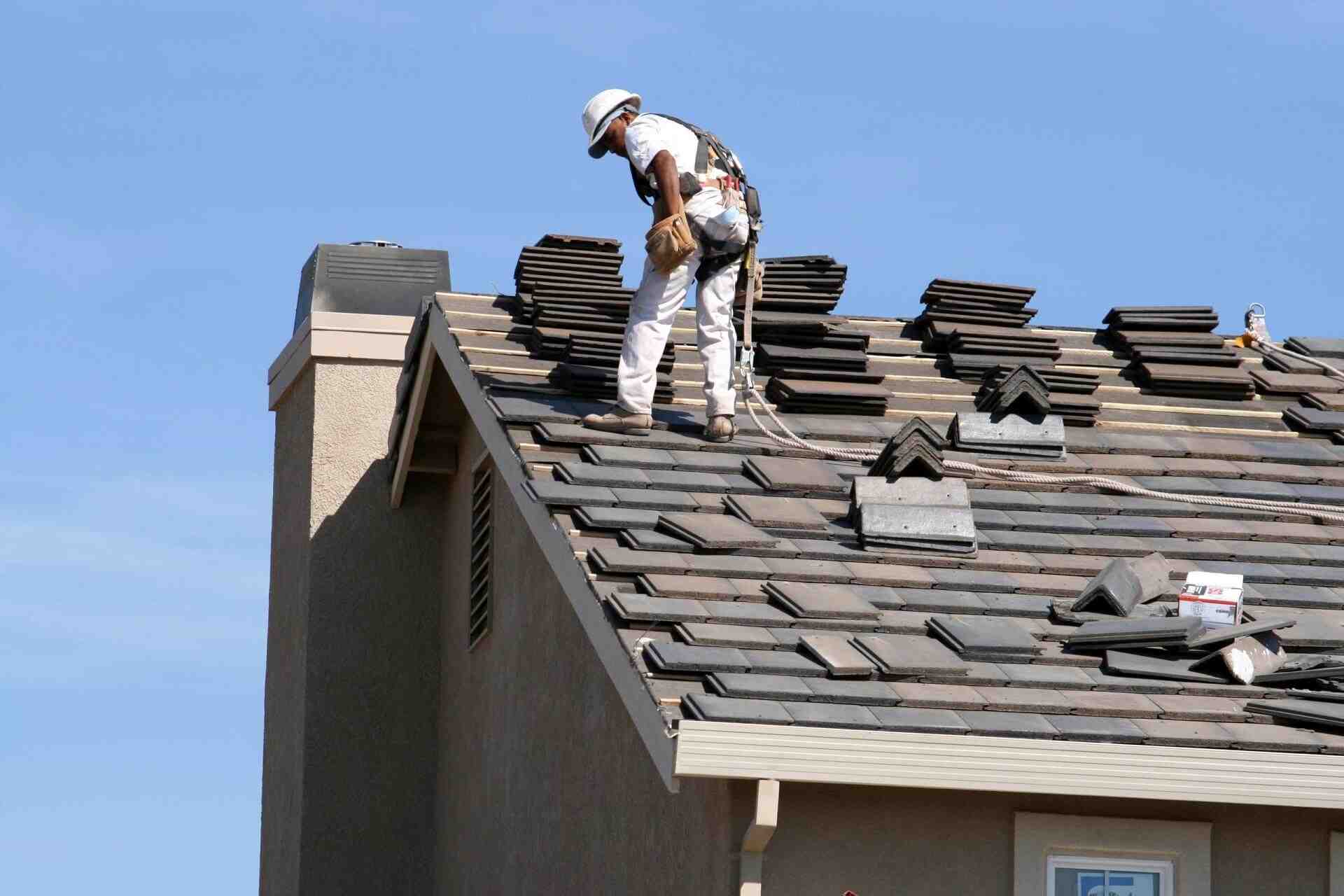
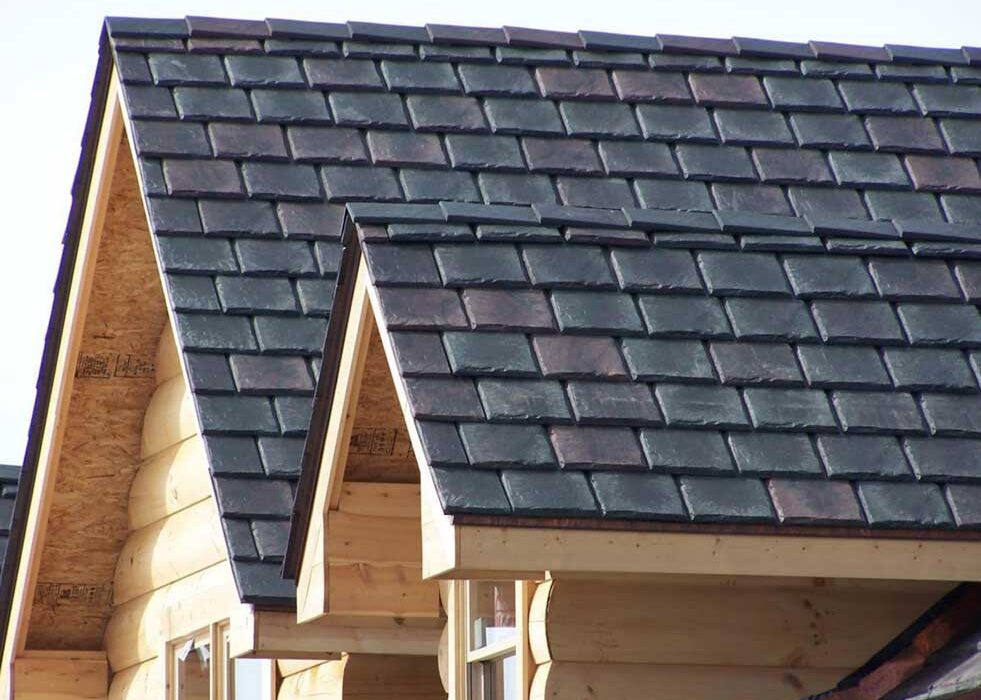

Winter in Orpington brings cold snaps, heavy rain, strong winds and the odd hard frost, and your roof takes the worst of it. At Positive Roofing, we see the same problems every year: slipped tiles, blocked gutters, leaking flashing and damp lofts that could have been prevented. Good winter roof maintenance is the simplest way to avoid expensive emergency repairs and keep your home warm, dry and safe until spring.
This guide explains what happens to a roof during a British winter, which checks you can do yourself, and when it makes sense to call a professional. The team at Positive Roofing has put it together for homeowners across Orpington, Petts Wood, Chislehurst and the wider Bromley area.
Why Winter Is So Hard on UK Roofs
Most roof damage in the UK is not caused by one big storm. It builds up over weeks of wet weather, freezing nights and strong gusts. Water gets into small cracks, freezes, expands and widens the gap. Wind lifts tiles that were already loose. Leaves and moss trap moisture against the roof surface. Regular winter roof maintenance stops these small issues from turning into structural problems.
The main winter risks for Orpington homes are:
- Freeze–thaw damage: water trapped in tiles, slates and mortar expands when it freezes, causing cracks and spalling.
- Wind damage: loose or slipped tiles and ridge caps can be lifted or blown off in gusts.
- Blocked gutters: autumn leaves cause water to overflow, soaking walls and fascias.
- Condensation: warm, moist air from inside the house meets a cold roof space and causes damp, mould and rot.
- Flat roof pooling: standing water on felt or older flat roofs finds its way through weak seams.
7 Steps to Protect Your Roof This Winter
1. Inspect Your Roof From the Ground
You don’t need to climb a ladder to spot most problems. Stand back in the garden or across the road and use binoculars if you have them. Look for missing, cracked or slipped tiles, gaps along the ridge, sagging areas and damaged lead flashing around chimneys. Take photos so you can track any changes after storms.
2. Clear Gutters and Downpipes
Blocked gutters are one of the most common causes of winter leaks and damp walls. Clear out leaves, moss and debris, then run water through the downpipes to make sure they drain freely. Fit gutter guards if you have large trees nearby. If your gutters are high or hard to reach, leave this job to a professional.
3. Check the Loft for Leaks and Damp
Your loft gives you the clearest view of how your roof is performing. On a bright day, look for daylight coming through the roof, water stains on timbers, damp insulation or a musty smell. These are early warning signs that need attention before heavy rain or snow arrives.
4. Improve Insulation and Ventilation
Good loft insulation keeps heat in your home, but the roof space still needs airflow. Without ventilation, warm air causes condensation on the underside of the roof, leading to rot and mould. Make sure eaves vents are not blocked by insulation, and consider adding tile or ridge vents if condensation is a recurring problem. This part of winter roof maintenance is often overlooked, yet it protects your timbers for years.
5. Deal With Moss and Overhanging Branches
Moss holds water like a sponge and can lift tiles over time. Have it removed carefully, as pressure washing can damage roof coverings. Trim back any branches that hang over the roof, since they drop leaves, scrape tiles and can break off in high winds.
6. Check Chimneys and Flashing
Chimneys are a frequent source of leaks. Look for cracked mortar, leaning stacks and loose or lifted lead flashing where the chimney meets the roof. Damaged flashing lets water run straight into your loft and walls.
7. Book a Professional Roof Inspection
A qualified roofer can safely check areas you can’t see from the ground, repair small faults on the spot and give you an honest report on your roof’s condition. Booking an inspection in late autumn or early winter is the most reliable form of winter roof maintenance, because problems are fixed before the worst weather hits.
Warning Signs You Need a Roofer Now
Don’t wait for spring if you notice any of the following:
- Water dripping into the loft or staining on ceilings
- Tiles or slates on the ground after a storm
- Visible sagging in the roofline
- Damp patches on upper walls or around the chimney breast
- Gutters pulling away from the fascia boards
Small repairs carried out quickly cost far less than replacing rotten timbers, damaged plaster or ruined insulation later.
DIY vs Professional Roof Care
Homeowners can safely handle ground-level inspections, loft checks and clearing low gutters. Anything that involves working at height, walking on the roof or repairing tiles, flashing or flat roof coverings should be left to an experienced roofer. Roofs are slippery and dangerous in winter, and incorrect repairs can make leaks worse. A combination of simple DIY checks and a yearly professional inspection is the best approach to winter roof maintenance.
Frequently Asked Questions
When is the best time to prepare my roof for winter? Late autumn, ideally October or November, is the best time. Leaves have mostly fallen, and repairs can be done before freezing temperatures and storms set in.
How often should I have my roof inspected? Most UK homes benefit from a professional roof inspection once a year, plus a quick check after any major storm.
Can roof repairs be carried out in winter? Yes. Many repairs, such as replacing tiles or fixing flashing, can be done safely in winter on dry, calm days. Emergency repairs are carried out whenever they are needed.
What should I do if my roof starts leaking during a storm? Place a bucket under the leak, move valuables away, and switch off electrics near the affected area if water is close. Then contact a local roofer as soon as possible.
Does home insurance cover winter roof damage? Many policies cover sudden storm damage but exclude problems caused by wear and tear or poor upkeep. Regular winter roof maintenance helps protect your claim.
Conclusion
A little preparation now can save you from leaks, damp and costly repairs in the coldest months. By inspecting your roof, clearing gutters, checking your loft and booking a professional inspection, you give your home the best protection against everything a British winter brings. Consistent winter roof maintenance keeps your roof strong, your home warm and your repair bills low.
If you live in Orpington or the surrounding area and want your roof checked before the weather turns, contact Positive Roofing today.
Positive Roofing
Address: 86 Court Rd., Orpington BR6 0PZ, United Kingdom Phone: +44 7305 680701