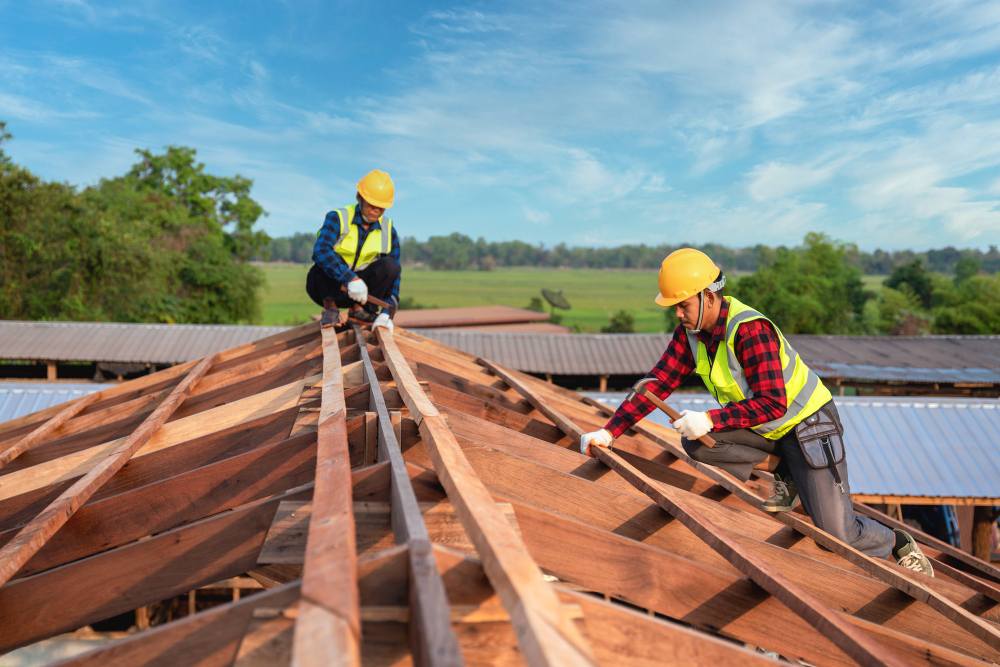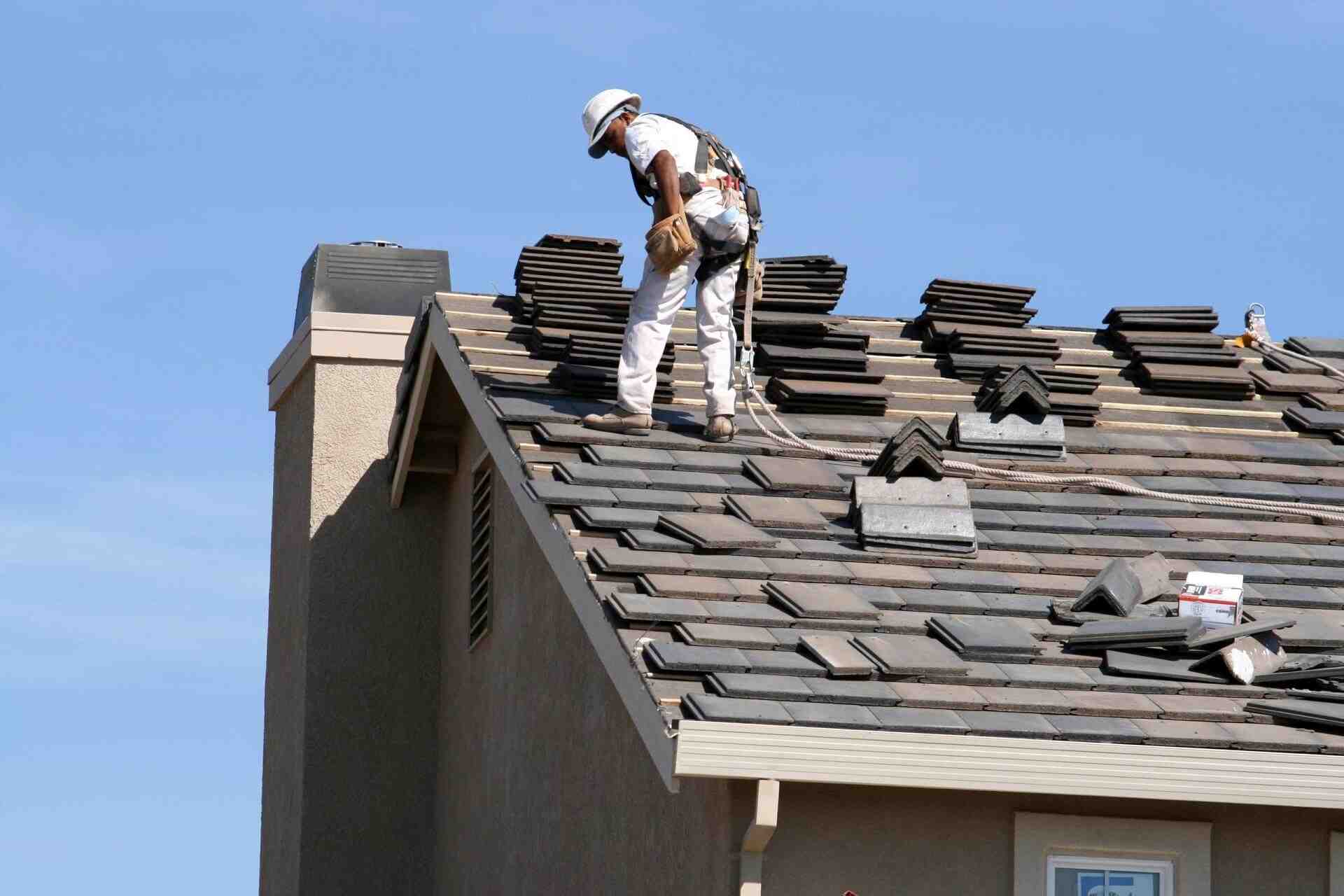
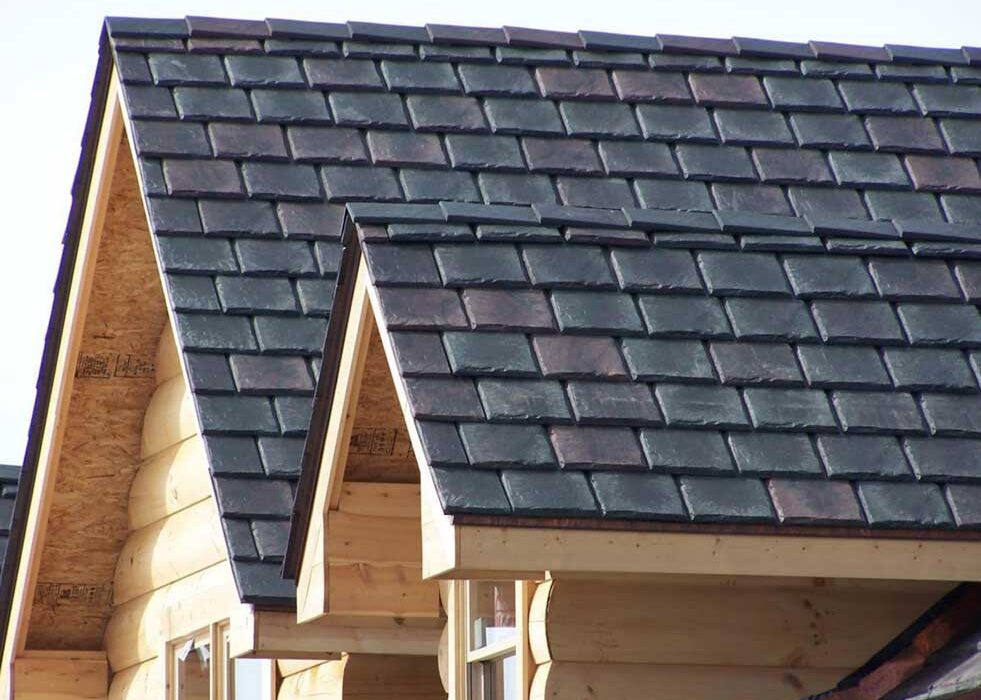
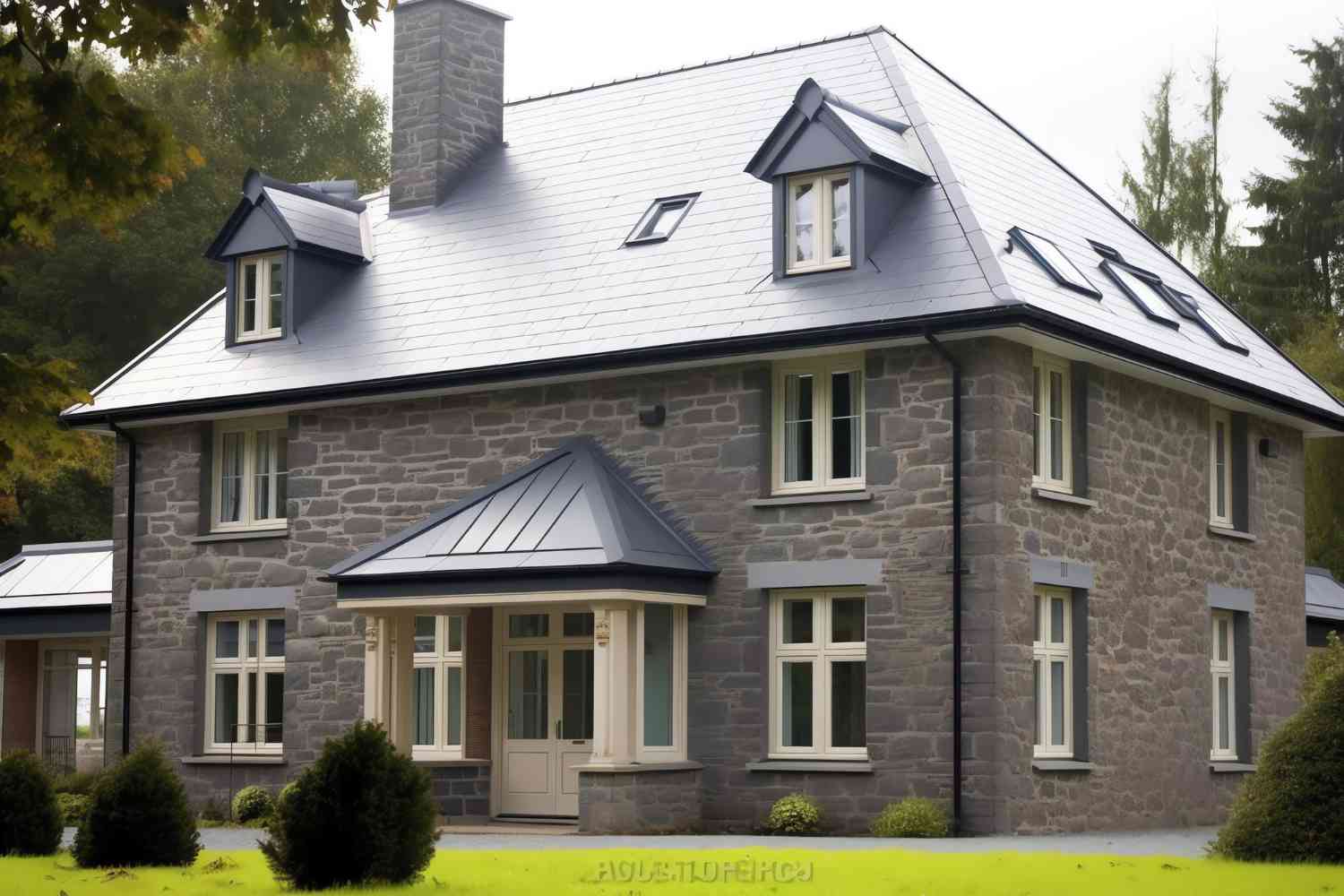
A slate roof is a timeless choice for homeowners who want to combine traditional character with reliable protection against the elements. Known for its natural appearance, durability and distinctive finish, slate can complement period homes as well as many modern properties. For homeowners considering Slate Roofing in Chelsfield, choosing suitable materials and ensuring professional installation are essential for achieving lasting results. Positive Roofing offers roofing solutions designed to help protect properties while maintaining their appearance and value.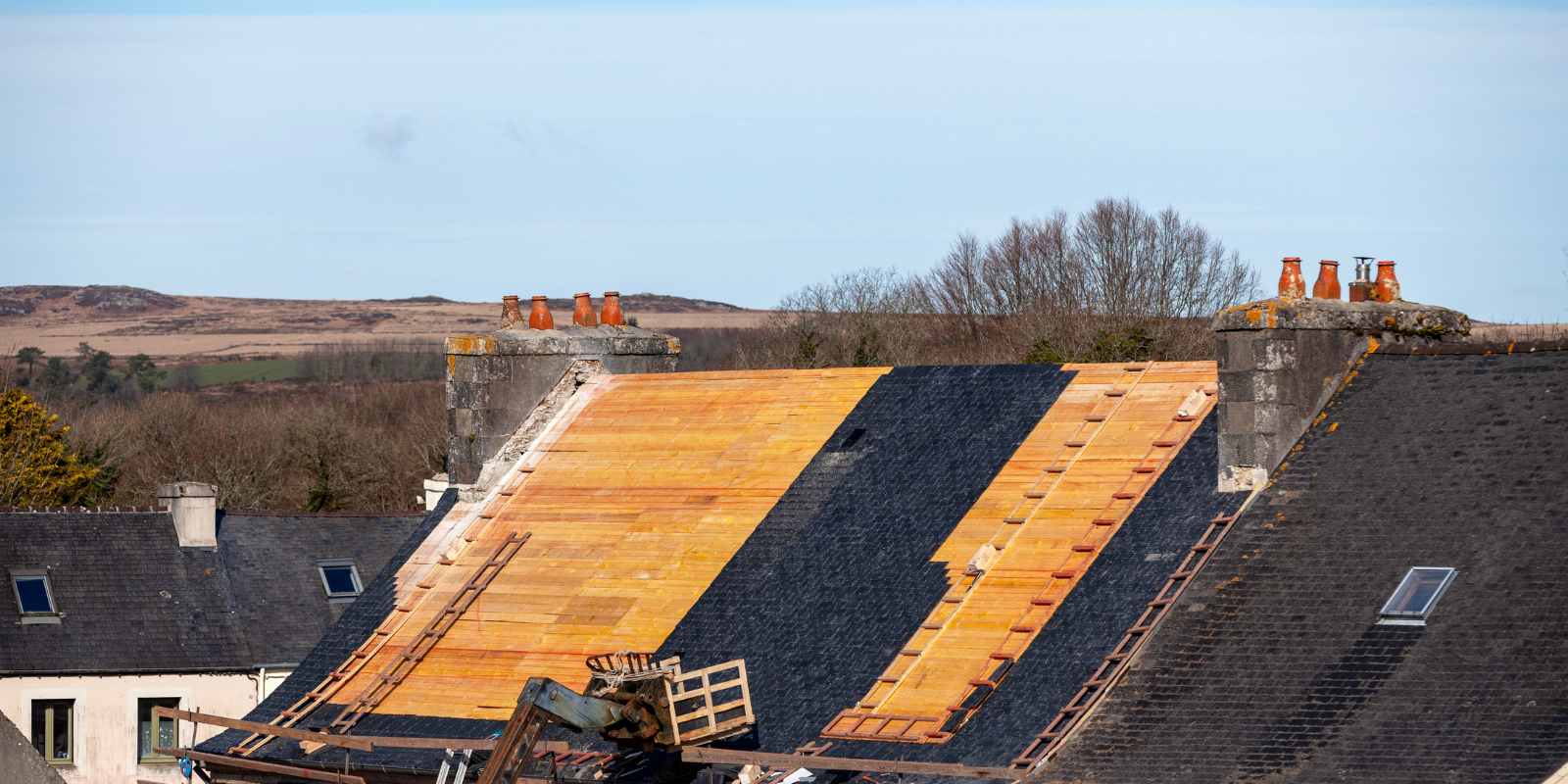
Why Choose Positive Roofing for Slate Roofing?
Choosing the right roofing contractor is an important part of any slate roofing project. Positive Roofing recognises the value of careful workmanship, appropriate materials and attention to detail, particularly when working with natural slate. From assessing an existing roof to planning a new installation, a professional approach helps homeowners understand their options and make informed decisions.
Slate roofing requires more than simply placing tiles across a roof structure. The supporting framework, roof pitch, underlay, fixings and flashing must all be considered to create a weather-resistant system. An experienced contractor can assess these elements and recommend a suitable approach based on the property’s condition, design and budget.
What Makes Slate Roofing in Chelsfield a Popular Choice?
Natural slate has been used on roofs for generations because of its attractive appearance and impressive durability. Its subtle variations in colour and texture create a distinctive finish that can enhance a property’s architectural character. Depending on the slate selected, homeowners may choose shades of grey, black, blue-grey or other natural tones.
Slate is also valued for its resistance to many common weather conditions when correctly specified and installed. Individual slates can often be replaced if they become damaged, potentially allowing localised repairs without replacing the entire roof. Its longevity can make it an appealing long-term investment for homeowners who want a roof that combines practicality with traditional style.
However, slate is not suitable for every building or roof structure. Natural slate can be heavy, so the roof’s supporting framework must be capable of carrying the additional load. A professional assessment can help establish whether reinforcement or other preparatory work is needed before installation begins.
The Benefits of Natural Slate Roofing
Natural slate offers several advantages that make it a strong option for suitable residential properties.
1. Timeless Appearance
Slate provides a classic finish that complements traditional architecture, cottages and many contemporary designs. Its natural texture and colour variation can enhance kerb appeal without relying on artificial finishes. With careful selection, the roof can work harmoniously with brickwork, stone, render and other exterior materials.
2. Long-Term Durability
High-quality slate can last for many decades when properly installed and maintained. Its performance depends on the quality and type of slate, the roof design, workmanship and exposure to weather. Choosing suitable materials and using correct fixing methods are important steps towards achieving a durable roof.
3. Resistance to Weather
A correctly installed slate roof helps direct rainwater away from the building and provides protection against wind and changing temperatures. The effectiveness of the complete roof also depends on details such as flashing, valleys, ridges and drainage. Regular inspections can identify problems before water enters the property.
4. Repairability
If individual slates crack, slip or become dislodged, repairs may be possible without removing the entire covering. Prompt attention to damaged areas helps limit the risk of water ingress and damage to roof timbers, ceilings and insulation.
5. Potential Long-Term Value
Although natural slate can have a higher initial cost than some alternative roofing materials, its potential lifespan may offer value over time. Homeowners should consider the total cost of materials, installation, maintenance and repairs rather than comparing prices alone.
Natural Slate vs Synthetic Slate
Natural slate is quarried stone, while synthetic slate products are manufactured to imitate its appearance. Both options can be suitable, depending on the building and the homeowner’s priorities.
Natural slate offers individual variations in colour and texture, along with a long-established reputation for durability. Synthetic alternatives may be lighter and available at a lower initial cost, but their lifespan, appearance and maintenance requirements depend on the specific product.
Before choosing between the two, consider the roof’s structural capacity, the property’s architectural style, planning requirements where applicable, and the manufacturer’s specifications. A roofing professional can explain the differences and help you select a system that meets your needs.
Common Slate Roofing Problems and Warning Signs
Even a durable slate roof can develop problems over time. Severe weather, ageing fixings, movement in the roof structure and deteriorating flashing can all affect its performance.
Common warning signs include:
Cracked, missing or slipping slates.
Damp patches on ceilings or upper walls.
Water stains in the loft or around roof openings.
Damaged flashing near chimneys, valleys or roof junctions.
Pieces of slate or roofing debris appearing around the property.
Not every visible defect means that a complete replacement is necessary. In some cases, targeted repairs can restore the roof’s performance. However, repeated leaks or widespread deterioration may indicate more extensive work is needed. An inspection can help identify the cause and establish the most cost-effective solution.
Slate Roof Maintenance and Repairs
Routine maintenance can help preserve the condition of a slate roof and reduce the risk of unexpected problems. Arrange periodic inspections, particularly after severe storms or if the roof is older. A professional can check for loose slates, damaged flashing, deteriorating fixings and signs of water penetration.
Gutters and drainage channels should also be kept clear so rainwater can flow away efficiently. Avoid walking on slate tiles, as they can crack under concentrated weight and roof access can be dangerous. Roof inspections and repairs should be carried out by suitably equipped professionals.
When damage is found, prompt repairs can help protect the roof structure and interior of the property. Keeping records of inspections and completed work may also help homeowners plan future maintenance more effectively.
How to Plan a Slate Roofing Project
Before starting a roofing project, request a detailed quotation that explains the proposed materials, labour, preparation, waste removal and any additional structural work. Ask the contractor to specify the type and grade of slate, the installation method and the terms of any applicable workmanship or product warranties.
It is also sensible to check the contractor’s relevant experience, insurance and customer feedback. For older properties or buildings in designated areas, check whether planning or conservation requirements apply before choosing materials or changing the roof’s appearance.
A clear plan helps homeowners understand the scope of the project, compare quotations fairly and reduce the likelihood of unexpected costs.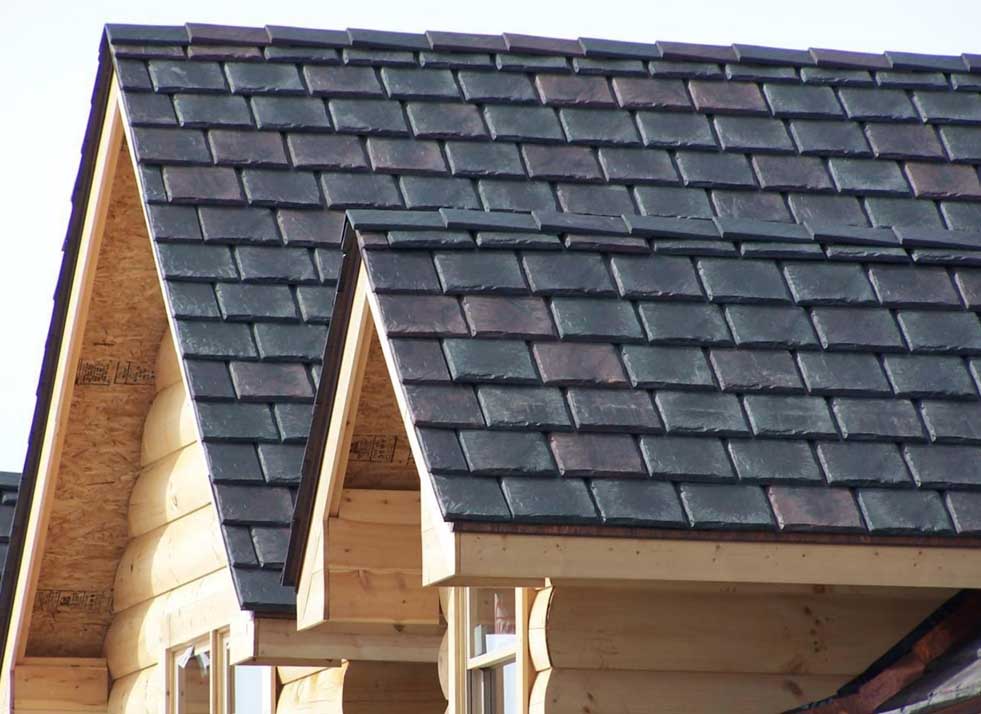
Frequently Asked Questions
How long can a slate roof last?
A well-installed natural slate roof can last for many decades. Its lifespan depends on the slate’s quality, installation, roof design, maintenance and exposure to weather.
Is slate roofing suitable for every home?
No. Slate is relatively heavy, so the roof structure must be able to support it. A professional assessment can determine whether the existing structure is suitable or needs alterations.
Can damaged slate tiles be replaced individually?
In many cases, yes. Individual damaged or missing slates can often be replaced, provided suitable matching materials are available and the surrounding roof remains in good condition.
Does a slate roof require regular maintenance?
Yes. Periodic inspections help identify damaged slates, loose fixings, defective flashing and drainage problems before they lead to more serious damage.
Conclusion
Slate roofing offers an attractive combination of traditional style, durability and dependable weather protection. With suitable materials, professional installation and routine maintenance, it can provide lasting value for many properties. Homeowners exploring Slate Roofing in Chelsfield should consider their property’s structural requirements, preferred appearance and long-term budget before making a decision. Positive Roofing can help you assess suitable roofing options and plan work that supports the protection and appearance of your home.
Contact Positive Roofing
Phone: 07305 680701
Email: positiveroofing@hotmail.com
Address: 105 Thornsbeach Rd, London SE6 1EY, UK.