Flat roofs are a practical choice for modern homes, extensions, garages and commercial buildings. They offer a clean appearance, make efficient use of space and can be a cost-effective alternative to traditional pitched roofs. For property owners considering Flat Roofing in Sidcup, selecting suitable materials and ensuring professional installation are essential for long-term performance. Positive Roofing provides roofing solutions designed to meet the needs of different properties, helping homeowners and businesses protect their buildings from the British weather.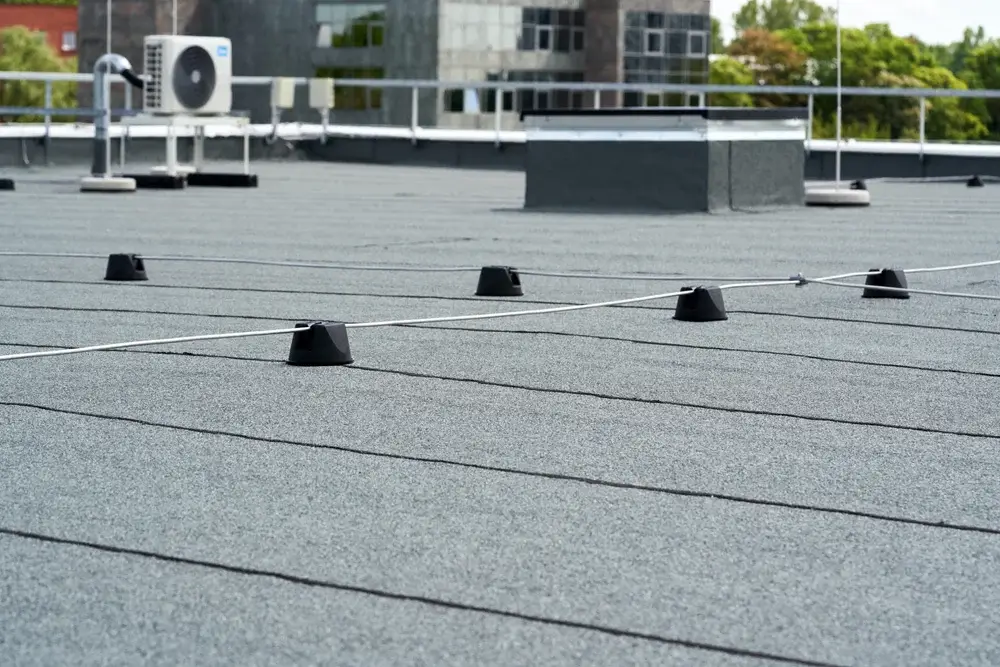
Why Choose Positive Roofing for Flat Roofing?
Choosing an experienced roofing company can make a significant difference to the durability and reliability of a flat roof. Positive Roofing understands the importance of quality workmanship, suitable materials and careful attention to detail throughout a roofing project. From assessing an existing roof to completing a new installation, a professional approach helps property owners make informed decisions about their investment.
A well-designed flat roof should provide effective weather protection, reliable drainage and lasting performance. Working with a roofing specialist also helps identify potential problems before they develop into more expensive repairs. Whether you are upgrading an older roof or planning a new extension, selecting a solution that suits your building and budget is an important first step.
Understanding Flat Roofing in Sidcup
Flat Roofing in Sidcup can be suitable for a wide range of residential and commercial properties. Despite the name, flat roofs usually have a slight slope that allows rainwater to flow towards outlets or gutters. Correct falls and drainage are essential because standing water can increase the risk of leaks, material deterioration and premature roof failure.
Modern flat roofing systems are available in several materials, each offering different advantages. The most appropriate option depends on the roof’s size, structure, intended use, exposure to weather and available budget. A professional inspection can help establish whether an existing roof needs repairs, a replacement covering or improvements to its drainage system.
Popular Flat Roofing Materials
Understanding the available materials can help property owners choose a roofing system that balances cost, durability and maintenance requirements.
EPDM Rubber Roofing
EPDM is a synthetic rubber membrane widely used on flat roofs. It is flexible, lightweight and resistant to many common weather conditions. When installed correctly, EPDM can provide a durable, low-maintenance surface suitable for garages, extensions and other buildings. Its flexibility also allows it to accommodate some movement in the roof structure.
GRP Fibreglass Roofing
GRP, commonly known as fibreglass roofing, creates a seamless and rigid surface when properly installed. It can be an attractive option for homeowners who want a neat finish with few joints. Careful preparation and installation are important to achieve a reliable waterproof covering, particularly around edges and roof details.
Modified Bitumen and Felt Roofing
Traditional felt roofing and modern modified bitumen systems remain popular for certain residential and commercial applications. They can offer a cost-conscious solution when the correct system is selected for the roof. Installation quality, the number and type of layers, and appropriate detailing all influence the roof’s performance.
Each material has different installation requirements and expected maintenance needs. Comparing suitable systems with a roofing professional can help you choose an option that meets your property’s requirements.
Benefits of Installing a Flat Roof
A flat roof offers several practical advantages when designed and installed correctly.
Cost-effective installation: Some flat roofing systems require fewer materials and less installation time than comparable pitched roofs, although costs vary by design and specification.
Efficient use of space: Flat roofs can provide a practical covering for extensions, garages, porches and commercial buildings.
Modern appearance: Their simple lines complement many contemporary property designs.
Convenient maintenance access: Depending on the roof design and safety arrangements, inspections may be more straightforward than on steeply pitched roofs.
Energy efficiency opportunities: Suitable insulation can help reduce heat loss and improve the thermal performance of the building.
The overall value depends on the quality of the materials, the condition of the underlying structure and the standard of installation. A low initial price may not represent the best long-term value if the roof requires frequent repairs.
Common Flat Roofing Problems
Flat roofs can develop problems over time, particularly when drainage is poor or the waterproofing layer has deteriorated. Recognising early warning signs can help prevent damage to ceilings, walls, insulation and belongings.
Common issues include leaks around joints and roof edges, cracks or blisters in the covering, blocked drainage outlets, loose flashing and areas where water remains after rainfall. Damage can also occur around rooflights, pipes and other penetrations if these details are not properly sealed.
If you notice damp patches, peeling paint, water stains or persistent pooling, arrange an inspection rather than relying on a temporary patch. A roofing professional can identify the underlying cause and recommend repairs appropriate to the roof’s condition.
Flat Roof Repairs and Maintenance
Regular maintenance helps extend the service life of a flat roof and reduces the likelihood of unexpected repair costs. Property owners should arrange periodic inspections, particularly after severe weather or when a roof is approaching the later stages of its expected lifespan.
Maintenance may include clearing leaves and debris from gutters and outlets, checking visible seams and flashing, and looking for signs of damage or water ingress. Any inspection involving roof access should be carried out safely; avoid walking on a roof unless it is designed for access and appropriate precautions are in place.
Prompt repairs can prevent small defects from becoming larger problems. However, if the covering has widespread damage, repeated leaks or deteriorated insulation, replacing the roof may be more economical than continuing to repair it. A professional assessment helps establish the most suitable option.
How to Choose the Right Flat Roofing Contractor
Before appointing a contractor, ask for a clear written quotation that explains the proposed materials, preparation work, installation process and any additional costs. It is also sensible to check relevant experience, customer reviews, insurance and the terms of any workmanship or manufacturer warranties.
A reliable contractor should explain the benefits and limitations of the recommended roofing system without pressuring you into an unnecessary replacement. They should also discuss drainage, insulation, ventilation where relevant, and how roof edges and penetrations will be weatherproofed.
For homeowners and businesses comparing Flat Roofing in Sidcup options, understanding the full scope of work makes it easier to compare quotations fairly and avoid unexpected expenses.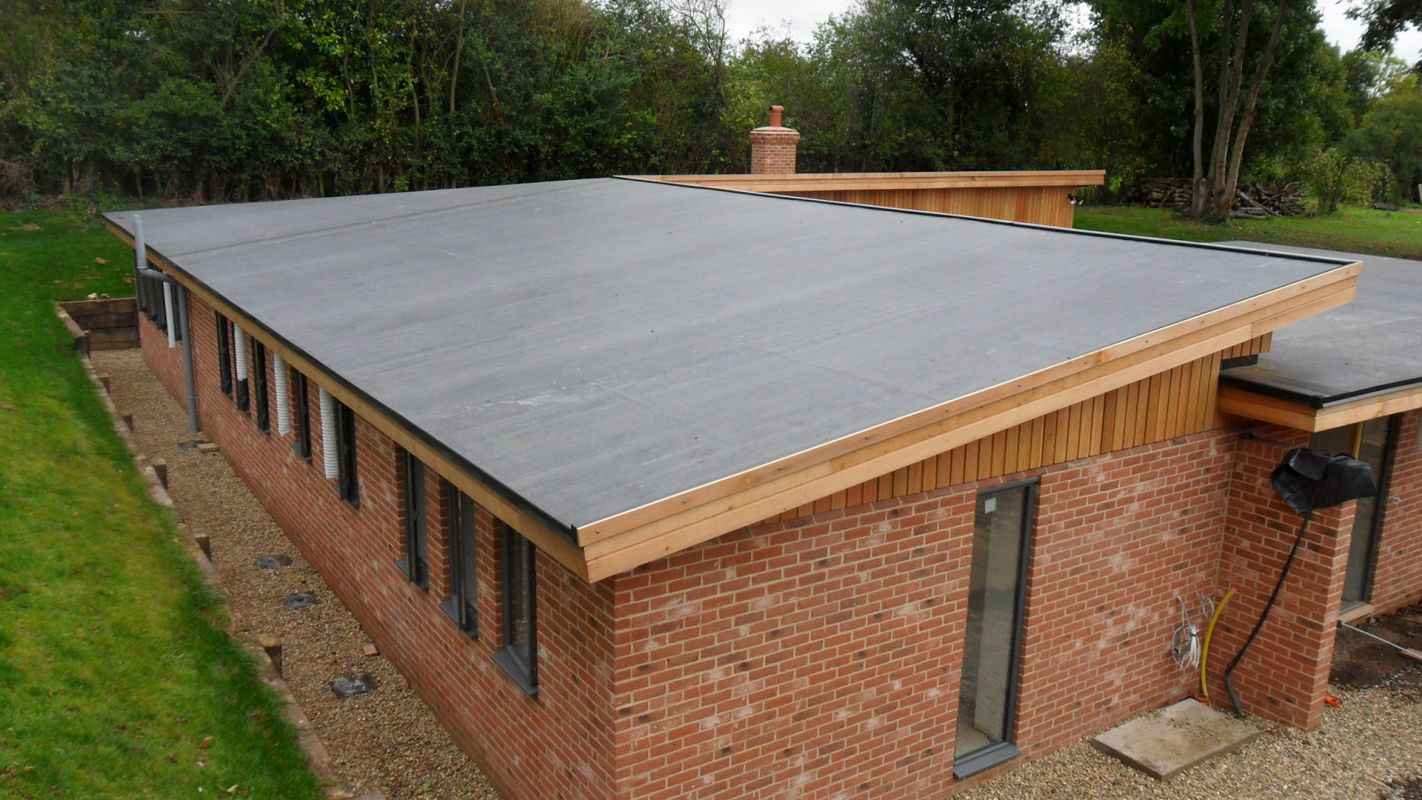
Frequently Asked Questions
How long does a flat roof last?
Its lifespan depends on the material, installation quality, exposure to weather and maintenance. Different systems have different expected service lives, so ask your contractor for guidance on the specific product being considered.
Is a flat roof cheaper than a pitched roof?
Flat roofs can cost less to install for some projects because their design may require fewer materials and less labour. The final cost depends on roof size, access, structural requirements, insulation and the chosen covering.
How can I prevent flat roof leaks?
Keep drainage outlets clear, arrange regular inspections and address damaged seams, flashing or coverings promptly. Professional installation and correct drainage are particularly important in areas that experience frequent rainfall.
Should I repair or replace my flat roof?
Localised damage may be repairable, while widespread deterioration or recurring leaks may indicate that replacement is more practical. A professional inspection can help you compare the likely costs and benefits.
Conclusion
A well-installed flat roof can provide dependable weather protection, practical functionality and long-term value for residential and commercial properties. Choosing appropriate materials, ensuring effective drainage and keeping up with routine maintenance all contribute to better performance. If you are planning a new installation or need advice about an existing roof, Positive Roofing can help you explore suitable options for your property. Investing in professional workmanship can help reduce avoidable repairs and keep your building protected throughout the year.
Contact Positive Roofing
Phone: 07305 680701
Email: positiveroofing@hotmail.com
Address: 105 Thornsbeach Rd, London SE6 1EY, UK.